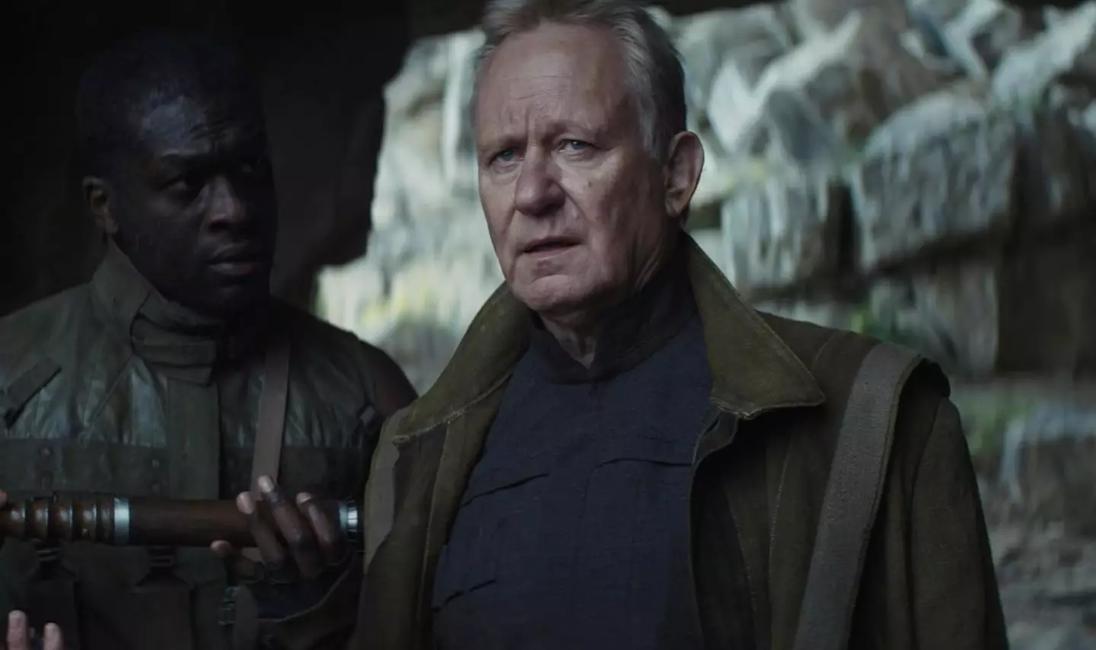
Okay, let's talk Andor. I've been marinating in the Star Wars universe since I was knee-high to a Jawa, and honestly? It's been… complicated. We've had the highs, we've had the lows, and we've definitely had the stuff that leaves you scratching your head, wondering if the Force took a vacation. And don't even get me started on some of the character arcs. But Andor? Andor is different. Refreshingly, brilliantly different. That's not just me, right? Seems like a pretty universal sentiment.
It's like showrunners finally remembered that Star Wars isn't just about space wizards swinging laser swords. It's about the people caught in the gears of galactic conflict. The ordinary folks struggling under oppression. The rebels finding the courage to fight back, even when the odds are stacked against them. It's a story of resistance. And Andor nails that. Every. Single. Episode.
But here's the thing. The unanimous praise? That's what's interesting. In the Star Wars fandom, agreeing on anything is rarer than finding a Womp Rat in Mos Eisley who doesn't want to bite your leg off. So, why is Andor the exception? What did showrunner Tony Gilroy do right that others have missed?
Why Andor Strikes a Chord
I think a big part of it is the grounded nature of the storytelling. There are no galaxy-ending stakes every other Tuesday. No chosen one prophecies (thank goodness!). Just ordinary people making difficult choices in extraordinary circumstances. And those difficult choices… man, they are brutal. There's a weight to every decision, a consequence that feels real. You see the toll the rebellion takes on these people. It changes them. It breaks them. And that's powerful. The show doesn't shy away from the moral ambiguity of war. That's what makes it something special.
For example, Mon Mothma's storyline? Fascinating. The elegant senator secretly funding the rebellion, risking everything for what she believes in. It's a masterclass in character development. We see the sacrifices she makes, the compromises she endures, the constant fear of exposure. It humanizes her in a way that the movies never quite managed. Her performance alone is worth the price of admission. But the supporting cast is magnificent too.
And let’s not forget the visuals. The cinematography is stunning. The sets are gritty and believable. The special effects are used sparingly, but to great effect. It all adds up to a Star Wars experience that feels… well, real. It's not just a shiny space opera. It's a war story, a spy thriller, a character study, all rolled into one. Actually, that's not quite right. It is a shiny space opera. It just has depth and nuance that elevates it above the typical fare.
The "Andor" Effect: A New Hope for Star Wars?
The success of Andor has got to have Lucasfilm thinking, right? I mean, it's undeniable. It's the Star Wars show that even people who are tired of Star Wars love. The show that reinvigorates a franchise. It proves that you don't need to rely on nostalgia or fan service to tell a compelling Star Wars story. You just need good writing, strong characters, and a willingness to take risks.
But here’s what I'm really curious about: can they bottle that lightning? Can they replicate the “Andor effect” with other Star Wars projects? That’s the million-dollar question. The frustrating thing about this is…it's not easy. It requires a commitment to quality, a willingness to deviate from the formula, and, most importantly, a trust in the audience's intelligence. I'm cautiously optimistic. Maybe. The future of Star Wars could be very exciting indeed.
But the bar has been raised. Consider it warned, all you future showrunners. The fans know what's good now, and we're not going to settle for anything less.
It would be a fun experiment to delve into the series' production process and find out what made it so successful!
Andor Season 3: What's Next?
Here's the thing: Season 2 is already in the can (almost). But will there be an Andor Season 3? Sadly, no. Tony Gilroy has always said that Andor was conceived as a two-season story, leading directly into the events of Rogue One. It's a prequel to a prequel. Meta, right? But that doesn't mean we can't speculate about what Season 2 might hold. We know it will cover the remaining years leading up to Rogue One. I'd also expect to see more of Cassian's journey toward becoming the hardened rebel we meet in the film. It's going to be tough.
The beauty of Andor is that it fills in the gaps. It provides context. It makes the sacrifices of the Rogue One crew even more meaningful. And if Season 2 is anything like Season 1, we're in for a wild ride.
FAQ: Your Andor Questions Answered
Why is Andor so different from other Star Wars shows?
Good question! It really boils down to the writing and the focus. Where other shows might prioritize spectacle or fan service, Andor prioritizes character development and a grounded, realistic portrayal of the rebellion. It's a more mature, complex take on the Star Wars universe.
Will there be an Andor movie?
Highly unlikely. As mentioned, the show was always intended as a two-season series. But hey, never say never in the world of Star Wars, right? Okay, probably never.
Is it necessary to watch Rogue One before watching Andor?
Not necessarily, but it definitely enhances the experience. Andor is a prequel, so you can watch it first without being completely lost. However, knowing where Cassian's journey ultimately leads adds a layer of emotional weight to the series.
Is "Andor" too dark for kids?
That depends on the kid. Andor is definitely darker and more violent than most Star Wars content. It deals with themes of oppression, war, and loss. So, parents should definitely exercise caution when deciding whether it's appropriate for their children. But then you have to consider, violence is okay when it involves lasers...it can be a tricky thing for parents!
What makes the season finale so impactful?
The season finale is impactful because it brings together all the various threads of the season into a powerful and emotional climax. We see the consequences of the characters' actions, the sacrifices they've made, and the seeds of rebellion being sown. It's a satisfying and thought-provoking conclusion to a truly exceptional season. And it leaves you desperately wanting more, even though you know there are only 12 more episodes coming. That is a feat!