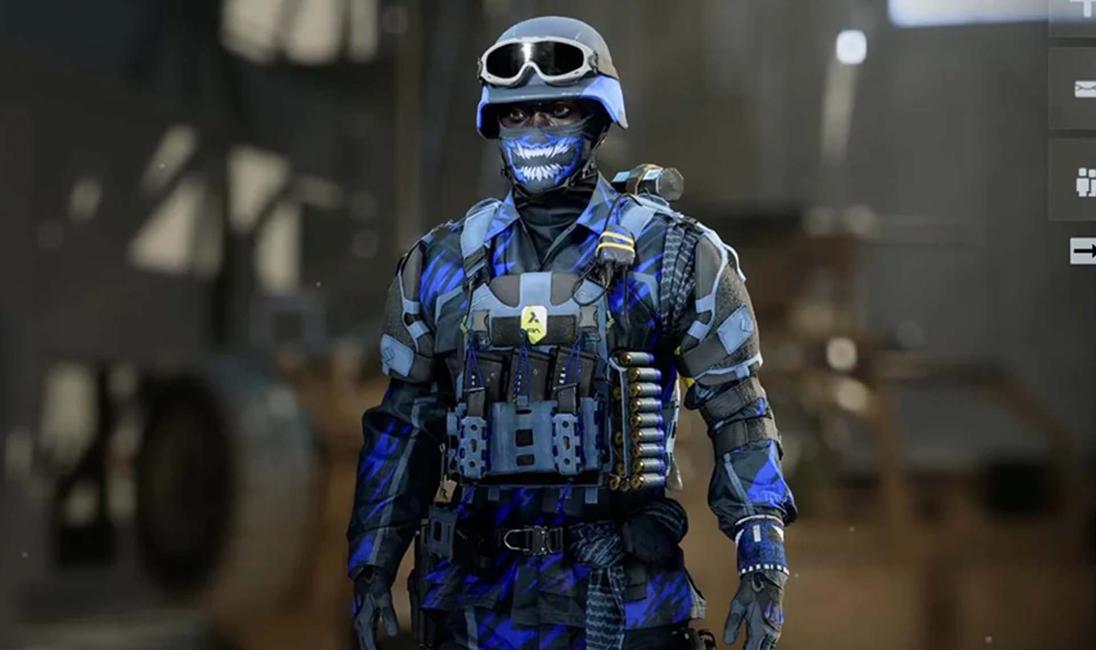
Alright, let's dive straight into the digital trenches, shall we? You might be wondering what all the fuss is about this time around. Well, friends, it's about pixels, polygons, and, of course, controversy. The latest Battlefield 6 skin has landed, and it’s causing more explosions than a perfectly timed C4 charge. I've got to admit, this part fascinates me, especially when you think about how much impact a simple cosmetic item can have on an entire community.
The Skin That Shook the Battlefield
So, what exactly makes this particular skin so… incendiary? It’s not the design itself, at least not entirely. It’s more about the implications, the perceived tone-deafness, and the way it clashes (or doesn't clash, depending on who you ask) with the game's overall aesthetic. We're talking about a neon-pink unicorn outfit in a game that often prides itself on gritty realism. I mean, seriously? A neon-pink unicorn? But hey, some people really dig it! Who am I to judge?
And, you know, the really frustrating thing about this whole situation is that it opens up a broader discussion about the monetization of games and the disconnect between developers and their player base. Are these skins harmless fun, or are they a sign of a deeper problem within the gaming industry? This reminds me of the skin controversy around Apex Legends awhile back. Ah, memories. More on that later.
Cosmetic Customization: Freedom or Folly?
The debate around cosmetic customization is nothing new. Gaming sites have been selling us hats, outfits, and weapon skins for years. It’s a lucrative business, no doubt about it. But where do we draw the line? When does customization become exploitation? That's what everyone is asking, right?
I think one of the core issues here is immersion. A lot of players value the sense of realism and authenticity in their games. When you introduce something as outlandish as a neon-pink unicorn skin, it can shatter that immersion and make the game feel less believable. Actually, that's not quite right. It's not just about realism, but about visual consistency. It’s about maintaining a certain tone and atmosphere. Now, I am aware that some love to let loose and play with all the customization they can find.
But, and this is a big but, isn’t there something to be said for creative freedom? Shouldn’t players have the option to express themselves through their characters, even if it means embracing the absurd? It's a tricky balance, and there's no easy answer. I guess it all boils down to personal preference, doesn’t it? Some players might enjoy the silliness, while others will find it jarring.
Which brings me to the next point...
The Developer's Dilemma: Pleasing Everyone (Or No One?)
Game developers find themselves in a tough spot. They need to generate revenue, and cosmetic sales are an easy way to do that. But they also need to maintain the integrity of their game and keep their player base happy. So, how do they strike that delicate balance? It's like walking a tightrope while juggling flaming chainsaws. Fun, right?
One approach is to offer a wide variety of customization options, catering to different tastes and preferences. Some skins can be more realistic and grounded, while others can be more whimsical and over-the-top. The key is to give players a choice, allowing them to express themselves without forcing them to compromise their immersion. I initially thought this was the perfect solution, but it's not as simple as that.
Another factor to consider is the timing and context of these skins. Releasing a goofy skin during a serious in-game event might not be the best idea. It can feel disrespectful or insensitive, especially if the event is based on real-world tragedies or conflicts. Developers need to be mindful of the message they’re sending and avoid anything that could be misconstrued as trivializing serious issues. Remember the backlash companies received for tone-deaf social media posts after major disasters? Gaming is no different.
Speaking of player base, you might be wondering, “What are players saying exactly?” Glad you asked!
And this leads to our internal link Borderlands loot drop rate.
I keep coming back to this point because it’s crucial: Communication is key. Developers need to listen to their player base, understand their concerns, and be transparent about their decisions. Ignoring player feedback is a recipe for disaster. Trust me, I've seen it happen. And if they can’t get the neon pink unicorn skin thing right, how can they handle the game's future?
Battlefield's Evolving Identity
Battlefield, at its core, has always been about large-scale warfare, strategic teamwork, and immersive combat. But over the years, the franchise has experimented with different tones and styles. Some installments have embraced a more serious and realistic approach, while others have leaned into over-the-top action and absurdity. You might even say that it's a franchise that’s still trying to figure out what it wants to be when it grows up.
This latest skin controversy could be seen as a microcosm of this larger identity crisis. Is Battlefield a gritty military simulator, or is it a playground for wacky cosmetic experimentation? Can it be both? I think it can, but it requires a delicate balance. It requires a deep understanding of the player base and a willingness to listen to their concerns. [Internal Link: gaming-chair-embarrassed]
Let me try to explain this more clearly. The challenge for Battlefield (and for any game franchise, really) is to evolve without losing sight of what made it special in the first place. It's about embracing new ideas and features while staying true to its core values. It's about finding a way to appeal to both hardcore fans and casual players. It's a tall order, but it’s not impossible.
Ultimately, the success of Battlefield 6 (and its future iterations) will depend on its ability to navigate this complex landscape. It will depend on its ability to listen to its players, adapt to their evolving tastes, and deliver an experience that is both engaging and authentic. And maybe, just maybe, find a way to make that neon-pink unicorn skin work after all.
FAQ: Battlefield Skins & Controversies
Why are game skins so controversial anyway?
Skins touch on a bunch of sensitive nerves. They raise questions about game integrity, monetization, and the relationship between developers and players. Plus, they are a business transaction, so you'll always have those who take advantage of that!
How much do these Battlefield skins cost?
Prices vary, but expect to pay a few bucks for common skins and potentially upwards of $20 for rarer or more elaborate ones. It depends entirely on the rarity of the skin and how much the game maker thinks they can get away with! That’s the truth, honestly.
Can a skin really "ruin" a game?
Probably not ruin, but a poorly conceived or tone-deaf skin can definitely damage a game's reputation and alienate players. It's all about perception and whether the skin aligns with the game's overall vision. Games that are primarily realistic or military-themed tend to have the most problems when the skins make it so characters look like a cartoon.
Is there any way to get these skins for free?
Sometimes! Some games offer skins as rewards for completing challenges or participating in events. Keep an eye out for those opportunities if you’re on a budget. You can also follow the social media pages for the game because they are likely to have some promotional material out there!