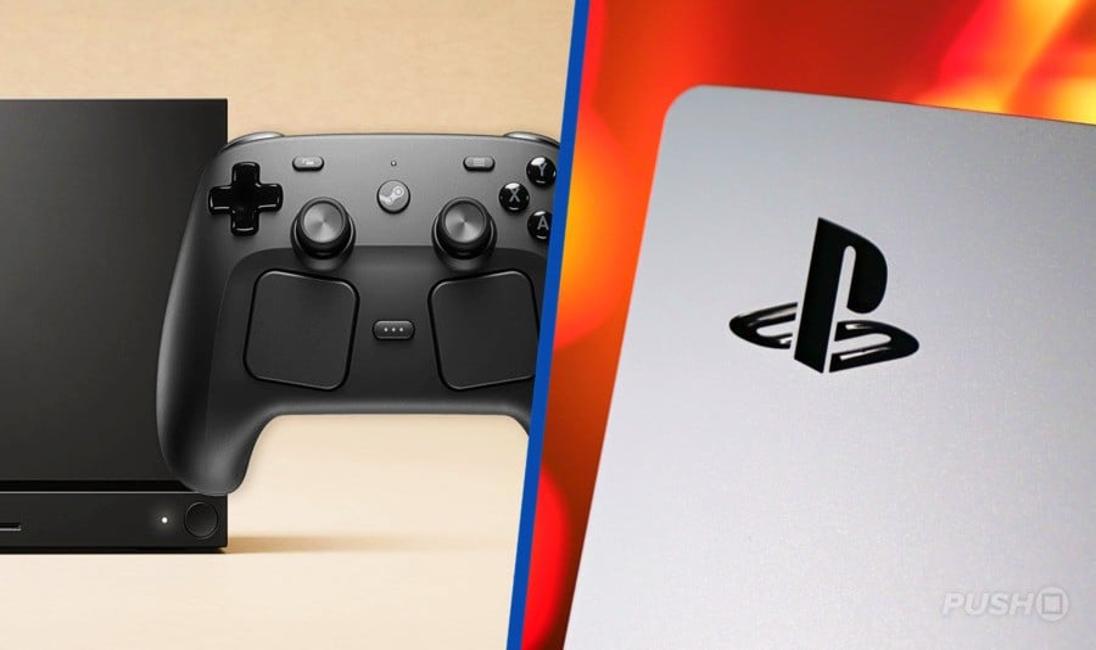
Remember the Steam Machine? No? Don't worry, you're not alone. In fact, I wouldn't be surprised if half the people reading this are thinking, "Wait, what is a Steam Machine?" And that's precisely why it's such a fascinating (and slightly tragic) story. It was supposed to be a revolutionary gaming PC, a console killer, a bridge between the PC gaming world and the living room… and well, it kinda fizzled. But the idea behind it? That's still super compelling. And who knows, maybe, just maybe, it was ahead of its time.
Think about it this way: for years, PC gamers have enjoyed unparalleled power and customization, but at the cost of complexity. Consoles offer simplicity and ease of use, but with locked-down ecosystems and limited options. The Steam Machine, spearheaded by Valve (the folks behind Steam, obviously), aimed to give us the best of both worlds. A PC that felt like a console. What could go wrong?
Plenty, as it turns out. But before we get into the nitty-gritty, let's dial back a bit. What exactly was a Steam Machine?
What Was the Steam Machine, Anyway?
Okay, let's try to explain this more clearly. The Steam Machine wasn't a single device, like a PlayStation or Xbox. Instead, it was a standard, a blueprint for manufacturers to build their own pre-built gaming PCs running SteamOS, a Linux-based operating system designed for big-screen gaming. The idea was you could plug one into your TV, connect a Steam Controller (more on that later), and bam – instant access to your Steam library on your couch.
Several manufacturers jumped on board, from established PC brands like Alienware and ASUS to smaller, more niche players. This led to a wide range of Steam Machines with varying specs, designs, and price points. It was kind of like the Android phone market, but for living room gaming. So far, so good, right?
But – and this is a big but – there were a number of factors that ultimately led to the Steam Machine's less-than-stellar reception. Let's dive in, shall we?
Why Didn't the Steam Machine Take Off?
Several things conspired against the Steam Machine. Firstly, the Steam Controller. While innovative (and I've got to admit, fascinating), its dual trackpads and haptic feedback were a massive departure from traditional gamepads. Some people loved it, some people loathed it, but most found it confusing. The learning curve was steep, and many gamers simply preferred to stick with what they knew. Actually, that's not quite right. The Steam Controller now has a cult following, and after all these years people are still modding it and releasing software for it.
Speaking of preferences, have you checked this Battlefield movement exploit out?
Another hurdle was SteamOS itself. While built on Linux, which is known for its flexibility and open-source nature, it lacked the polish and game compatibility of Windows. Many major games simply weren't available on SteamOS at launch, which limited the Steam Machine's appeal to a broader audience. And lets not forget the constant driver issues!
Furthermore, the Steam Machine faced stiff competition from both consoles and traditional gaming PCs. The PS4 and Xbox One were already well-established, offering a simpler and more affordable gaming experience. And PC gamers who wanted more power and customization could simply build their own rigs, without being tied to the Steam Machine ecosystem. I remember when this approach first emerged, it seemed very niche, but now everyone is doing it!
And then there was the pricing. Some Steam Machines were priced similarly to high-end gaming PCs, which made them a tough sell for console gamers looking for a more affordable option. Others were underpowered and offered a subpar gaming experience. Basically, there was a lack of a clear value proposition.
Steam Machine: A PS5 Competitor?
Okay, so the Steam Machine didn't exactly set the world on fire. But could something like it compete with the PS5 and Xbox Series X today? That's the million-dollar question, isn't it? And the answer, as with most things, is complicated.
On one hand, the gaming landscape has changed dramatically since the Steam Machine's initial launch. Cloud gaming services like Xbox Cloud Gaming and NVIDIA GeForce Now offer console-quality gaming experiences on a variety of devices, without the need for expensive hardware. It's a pretty incredible shift, and I've got to admit, this part fascinates me.
On the other hand, there's still a significant demand for dedicated gaming hardware. The PS5 and Xbox Series X are selling like hotcakes, and many PC gamers still prefer the power and flexibility of a desktop rig. So, a modern Steam Machine – one that leverages the latest hardware, offers seamless cloud gaming integration, and boasts a user-friendly interface – could potentially carve out a niche for itself. But it would need to be executed flawlessly.
Plus, this classic should get a follow up!
The frustrating thing about this topic is, the market is constantly evolving. What works today might not work tomorrow. But if Valve (or another company) were to revisit the Steam Machine concept, they would need to address the shortcomings of the original. Here's what that might look like:
- A focus on ease of use: The setup process needs to be seamless, and the interface intuitive.
- Strong game compatibility: The Steam Machine needs to support a wide range of games, both natively and through cloud streaming.
- Competitive pricing: The hardware needs to offer a compelling value proposition compared to consoles and gaming PCs.
- A better controller: Either improve the Steam Controller or offer a more traditional gamepad option.
It's a tall order, no doubt. But hey, you never know. Maybe the Steam Machine's time will come… eventually.
FAQ: Steam Machine & Modern Gaming
Is the Steam Machine still around?
Officially, no. Most manufacturers have discontinued their Steam Machine models. Valve no longer actively promotes or supports the platform. You can still find some used units floating around, but I wouldn't recommend buying one unless you're a serious tinkerer.
Why did the Steam Machine fail?
Several factors contributed to its demise, including a confusing controller, limited game compatibility, stiff competition from consoles and gaming PCs, and a lack of a clear value proposition. It was an ambitious idea, but the execution wasn't quite there.
Could the Steam Machine concept work today?
Potentially, yes. But it would require a significant reimagining, with a focus on ease of use, strong game compatibility (including cloud gaming), competitive pricing, and a better controller. The gaming landscape has changed a lot since the original Steam Machine launched, so a modern version would need to adapt to those changes.
What is SteamOS now?
SteamOS has evolved since the Steam Machine days. It's now primarily used as the operating system for the Steam Deck, Valve's handheld gaming device. The Steam Deck has been a massive success, and it proves that there is still a market for alternative gaming platforms. You might be wondering what the difference is - the Steam Deck is very successful and the Steam Machine wasn't.
What are the alternatives to Steam Machine?
If you're looking for a console-like PC gaming experience, you have several options. Pre-built gaming PCs are readily available, and many manufacturers offer small form factor PCs that are designed to be used in the living room. Cloud gaming services like Xbox Cloud Gaming and NVIDIA GeForce Now are also great alternatives, as they allow you to stream games to your TV without the need for expensive hardware. You can find more online at gaming websites.