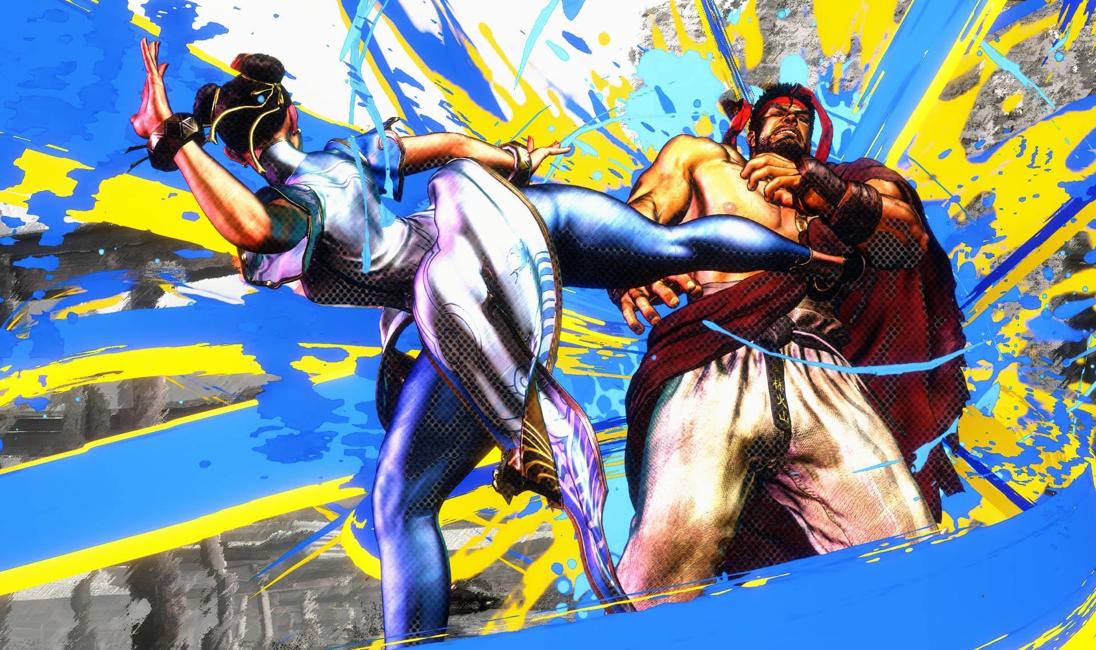
So, Capcom tried something, and then, well, not so much. It’s about Street Fighter 6, and I’ve got to admit, the whole thing is a bit of a head-scratcher. You see, they initially announced a paid livestream thing, and the internet responded about how you'd expect. Not happy.
The fighting game community? Passionate doesn't even begin to cover it. They love Street Fighter. They also really, really don’t like feeling like they're being nickel-and-dimed. I remember the days of arcade fighters where you paid to play - there was no internet involved then, just the arcade cabinet. Now we have to deal with all this new internet age stuff.
The Paid Livestream Backlash
The initial plan was a paid livestream event. A chance to watch some high-level play. Exclusive content, that sort of thing. But, honestly, here's the thing: the fighting game community largely thrives on free content. Twitch and YouTube are overflowing with amazing matches, tutorials, and analysis. Asking people to pay for something they can usually get for free? Risky move.
And the backlash was swift. Social media erupted (predictably), forums lit up, and there was a general sense of…disappointment. See, Street Fighter 6 has been a breath of fresh air. It’s a fantastic game, and Capcom has, for the most part, been doing things right. This felt like a misstep. One of those “what were they thinking?” moments. Actually, that’s not quite right. It's a “what were they thinking?” moment.
Capcom's Quick Reversal
Here's where it gets interesting. Capcom listened. I mean, really listened. They didn't double down. They didn't try to justify it. They just…canceled it. They announced they were scrapping the paid livestream, and, instead, would be exploring other ways to engage with the community. It was a surprisingly swift and decisive move. Now you might be wondering, why is this so important? Well, it’s a lesson in community management, and it shows that Capcom is, at least to some extent, paying attention to its fans.
But, let's be real, the whole situation raises questions. Why did they think this was a good idea in the first place? Was it a genuine attempt to provide value, or was it just a money grab? Maybe a bit of both? The frustrating thing about this topic is that you can never be certain about a company's real intentions.
Capcom's official statements were pretty standard PR fare. They thanked the community for their feedback and reiterated their commitment to providing the best possible experience. You know, the usual stuff. But actions speak louder than words, and their decision to reverse course says a lot. I initially thought this was just a minor blip, but after looking deeper, it highlights a larger point about the relationship between game developers and their communities. I think it is important to consider these relationships with these game developers.
What This Means for Street Fighter 6's Future
So, what does all this mean for the future of Street Fighter 6? Well, I think it’s a positive sign. It shows that Capcom is willing to adapt and respond to feedback. It also sets a precedent. A precedent that says, “Hey, we’re listening. Tell us what you think.” Will they always get it right? Of course not. No company does. But the willingness to listen and adjust is crucial. It builds trust, and trust is essential in the gaming world. I mean, without trust, it is impossible to maintain a good relationship with the community.
I keep coming back to this point because it's crucial: Street Fighter 6's success hinges on its relationship with its community. The game itself is fantastic. But a great game can be ruined by poor decisions. The paid livestream fiasco was a close call. But Capcom dodged a bullet. And hopefully, they learned a valuable lesson. And that lesson is that no one wants to pay extra for something they are getting for free. In order to be successful in this industry, you should listen to the community, especially if they are giving you feedback.
FAQ: Street Fighter 6 and Community Concerns
Why was the Street Fighter 6 paid livestream such a big deal?
The core issue wasn't just the money. It was about perceived value. The fighting game community is accustomed to getting high-quality content for free. Asking them to pay for something they could easily find elsewhere felt like a slap in the face. It raised concerns about Capcom’s priorities and whether they were truly invested in the community's well-being.
What other ways can Capcom engage with the community without paid livestreams?
Plenty! Think about community tournaments, developer Q&As, behind-the-scenes content, and collaborations with popular streamers and content creators. They could even offer exclusive in-game items or early access to new features for active community members. The possibilities are endless. It just requires a bit of creativity and a genuine desire to connect with fans.
How does the game compare to other titles?
Street Fighter 6 has been widely praised for its gameplay, graphics, and accessibility. It's a return to form for the series, and it’s attracting both veteran players and newcomers. The game is successful because of all the positive things people have had to say about it, and that has lead to an increase in sales.
Will Capcom try paid livestreams again in the future?
Hard to say. I wouldn't rule it out entirely, but I think they'll be extremely cautious after this experience. If they do try something similar, they'll need to offer significantly more value and be much more transparent about their intentions. And they need to be very sure that the community will actually want whatever they are offering.
How important is community feedback to the success of Street Fighter 6?
Hugely important! Street Fighter 6 is a living, breathing game. It will evolve and change over time. Capcom needs to stay connected to its community to understand what they want and need. Without that connection, the game risks stagnating and losing its appeal.
What lessons can other game developers learn from this situation?
Listen to your community. Be transparent about your plans. And be willing to admit when you're wrong. The gaming world is a fast-paced and unforgiving place. Developers who ignore their fans do so at their own peril. After all, they are the ones who buy the game!